
The Role of Leadership in a Team Sports

Introduction with a Real-Life Story
In the world of sports, the moments that define a team’s character often occur in the heat of battle, during critical matches where fortune seems to favor the adverse. Let me take you back to a riveting soccer game that many fans still talk about to this day. Picture a group of young players, each with dreams of victory, stepping onto the field for the championship match. Their skills and energy were unquestionable, but as the minutes ticked by, it became painfully clear that things were not going according to plan. The opposing team was ruthless, pressuring them, scoring goals, and pushing them into a corner.
As the score mounted to an unlikely deficit, fear began to creep into the hearts of the young athletes. The cheers from their supporters faded, and suddenly, the goal they had worked so hard for felt more like a distant dream. In the stands, the team’s coach watched, sensing despair among his players. But then, amidst the tension, the captain, a player known more for her kindness than her skills, made a bold move. Rather than succumb to the pressure, she gathered her teammates during a critical timeout. Her voice, steady and inspiring, reached the hearts of those around her.
“You’ve trained for moments like these,” she reminded them, her resolve shining like a beacon. “We can turn this around if we work together and believe in each other.” The words resonated deeply. With a newfound fire igniting their spirits, they returned to the field, ready to fight not just for themselves but for one another.
As the game resumed, something magical happened. They started communicating effectively, passing the ball with purpose, and supporting each other in both defense and attack. With every successful play, their confidence grew, and slowly, the scoreboard no longer felt like an immovable wall but rather a challenge waiting to be overcome. Ultimately, though they didn’t win the match, they scored a few goals, and the comeback they made that day turned into one of the most memorable experiences of their young lives.
This story showcases how leadership isn’t solely about the possession of talents or skills. When the pressure builds, it’s about having the capacity to encourage, inspire, and motivate others. The determination to take the lead or to rally and support others can change the
course of a team’s journey, turning dreams into reality and despair into hope.

What is Leadership in Team Sports?
Leadership in sports is a multifaceted concept that goes beyond simply being the best player on the team. It encompasses the ability to inspire others, make critical decisions, and steer a team through challenging moments. Formal leadership usually falls to designated roles, such as captains or coaches, but true leadership can also emerge informally from any member of the team willing to step up when needed.
A leader in sports leads by example. They are the ones who motivate their teammates, step up during crucial moments, and often make decisions that impact the course of a game. Consider a scenario where a player, perhaps the quietest one on the team, takes it upon themselves to boost team morale by encouraging others after a mistake. Every member of the team develops confidence as a result of these leadership actions.
The essence of leadership lies in communication. A good leader knows how to give clear directions on the field or during practice while also listening to their teammates’ concerns and ideas. They use their voice to maintain focus, share strategies, and unite the team under a common purpose, especially when adversity strikes.
Think of sports legends who had the ability to rally their teams during critical matches, lifting the spirits of those around them. It’s crucial to recognize leadership in various forms. A captain may give the motivational speech, but an unassuming player can also ignite the flames of determination with a gesture of goodwill or a word of encouragement. Thus, leadership in team sports is about the capacity to influence, inspire, and foster a spirit of camaraderie that ultimately shapes the outcome of competition.
Why We Should Follow Our Team Leader
In team sports, the bond between players and their leader is built on trust, respect, and a shared commitment to a common goal. When players have faith in their leader’s vision, they’re more inclined to follow directions, which cultivates a strong, united front. Conversely, when a team lacks respect for their leader or when misunderstandings abound, chaos can ensue. The absence of unity often leads to disarray, confusion, and ultimately poor performance on the field.
Imagine a crucial match where teammates are arguing rather than strategizing. This chaotic environment could disrupt their focus and lead to costly mistakes. The team loses sight of their objectives because individual egos take precedence over collective goals. With no coherent voice guiding them, the team drifts away from their strategies, leading to missed opportunities and a broken spirit.
It’s easy to see how discontent and miscommunication can spiral out of control, particularly in high-stakes situations. During a recent game, one player neglected to follow a strategy laid out by their coach, leading to a breakdown in execution. This seemingly minor issue escalated into significant miscommunication, ultimately resulting in a substantial loss. A team’s performance may be permanently harmed by such incidents, which may also damage confidence and spirit.
Listening to a strong leader helps navigate these challenges. They serve as a bridge between the coach’s vision and the players’ actions. By following a team leader, players can remain oriented toward success, increase their chances of victory, and create a supportive environment where everyone feels heard and valued.
Through effective leadership, strategy becomes clearer, emotions settle, and the true potential of the team can emerge. Players gain reassurance, knowing they have a guide who believes in them, which helps reinforce the foundation of trust necessary for successful collaboration. When players align with their leaders, the chances of achieving greatness multiply exponentially because, together, they are not just a collection of individual talents but a cohesive unit pulling in the same direction.

How Leadership Affects the Game: Real Impact Points
In team sports, leadership has a big impact on performance in many ways. Here are several key points that illustrate the profound impact of strong leadership on a team’s success:
Motivating the Team in Tough Times
When adversity strikes, a true leader knows how to rally their team. During trying moments, such as when falling behind in a match, a leader can reignite the team’s spirit, reminding them of their capabilities and encouraging them to fight for every point. For instance, a volleyball captain might inspire confidence with passionate words that help the team push through fatigue and doubts.
Creating Discipline and Routine
A well-rounded team doesn’t operate solely on talent; it functions on discipline and routine, which are often instilled by a strong leader. Consistent practice schedules, adherence to team rules, and a commitment to personal improvement all stem from leadership promoting these values. For example, a basketball captain might lead by being the first to arrive for practice, showing others the importance of commitment.
Keeping Focus and Strategy On Point
During crucial moments of play, it’s the leader’s role to keep the team focused on the present moment while adhering to the game strategy. They remind teammates of the plans laid out before the game and help keep emotions in check. A leader’s ability to refocus the team can mean the difference between sticking to their game strategy and falling into confusion.
Resolving Conflicts Peacefully
In team sports, conflicts are inevitable. A strong leader plays a vital role in mediating disagreements among teammates, preventing small issues from escalating, which can create major disruptions. By facilitating open communication, they help nurture a positive environment. Consider a cycling team where two riders may dispute the lead; they need a leader to prioritize the team’s collective goal over individual glory.
Leading by Example: Action, Not Just Words
Leadership is more effective when it’s action-oriented. A player who consistently puts in hard work, maintains a positive attitude, and shows determination on the field serves as a role model for others. For instance, a soccer player who dives for loose balls and shows genuine interest in their teammates’ growth can create a culture of hard work and excellence throughout the squad. gies, strategies. ensuring all teammates understand their roles during high-stakes moments, thereby increasing the likelihood of success.
Building Trust and Confidence Among Players
When a leader embodies trustworthiness and encourages open communication, it fosters an environment where players feel safe sharing their ideas and asking for help. This atmosphere cultivates self-confidence, allowing each player to perform at their best. For instance, a staunch supporter in a tennis doubles team helps each player feel valued and empowered, leading to improved overall play.
The influence of leadership in these various aspects reveals that it is not merely a title but a critical part of the team dynamic. The stronger the leadership, the more substantial and unified the team becomes, drastically improving their chances of success both individually
and collectively.
Can One Player’s Leadership Change a Whole Team?
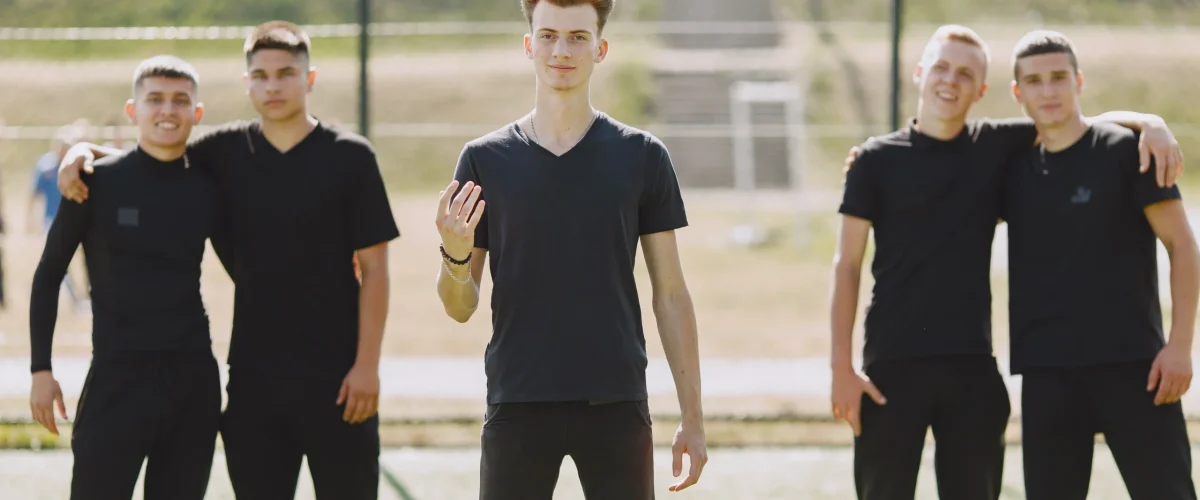
Absolutely! Leadership can come from any player, not just those with designated roles like captaincy. The reality of team dynamics proves that even a newcomer or a player sitting on the bench can have a substantial impact on the team’s morale and performance.
Consider the scenario of a rookie joining a basketball team filled with experienced players. Instead of shying away from the spotlight, the rookie decides to encourage older teammates during practice and shares fresh perspectives on their game approach. This enthusiasm can invigorate the entire team, shifting the dynamics toward optimism and resilience.
Or think about a bench player who, despite their own desire to play, takes it upon themselves to motivate those on the court while also supporting their teammates through tough times. Their enthusiasm and positivity can lift the spirits of the entire group, fostering a shared sense of unity. This phenomenon frequently occurs in sports, where the potential for leadership lies in every individual willing to step up, regardless of their position in the starting lineup.
Through these examples, it’s evident that one player’s leadership can create ripples that redefine the team environment. Leadership is not constrained by titles; it encompasses anyone willing to sway the group’s mentality positively. This ability to influence does not diminish their contributions; it enhances the overall caliber of the team, becoming a driving force toward success.
Building Leadership in Yourself as a Player
If you aspire to be a leader within your sports team, there are several essential steps you can take to cultivate those leadership qualities. Here’s how you can work on becoming a better leader:
- Communicate Effectively: Use your voice wisely. Speak up when you have ideas or strategies, but also be a good listener. Understand the concerns of your teammates and encourage open dialogue.
- Help Others When They’re Down: It’s essential to be empathetic and supportive. If a teammate is struggling, offer assistance or simply lend a listening ear to help them cope with their challenges.
- Think Ahead: Always be aware of the game’s current situation. Anticipate tactics and develop strategies with your teammates to ensure you are prepared for any situation that arises.
- Stay Positive in Adversity: Leadership often shines brightest during tough times. Positivity is infectious; a hopeful outlook can motivate the entire team, pushing them to rise above challenges.
- Respect the Coach and Your Teammates: Understanding the dynamics between players and coaches is essential. Respect for authority fosters trust, and mutual respect among teammates cultivates a supportive environment.
- Learn from Leaders You Admire: Take note of leaders in your sport or community. Implement those practices into your own approach.
Leadership is not always about being the most outspoken or aggressive player; rather, it can be about being dependable, compassionate, and able to inspire those around you. Each step you take to develop these qualities enhances your ability to lead effectively and can make a lasting difference in your team’s culture and performance.

NOTE THIS!
- Leadership is not for a single person; it’s for everyone. Anyone on the team can be a leader by stepping up and supporting others.
- Great leaders help win even before the match begins. Effective motivation and strategy execution start long before the first whistle.
- Listening to a team leader saves confusion and builds trust. Respect for leadership leads to greater cohesion and performance.
- With leadership, sports become more than just a game: the essence of teamwork transcends winning, nurturing character and resilience in every player.
Final Warm-Up & Motivation
As you lace up your shoes for practice or step onto the court for a game, remember that your approach to leadership has the power to influence not just your performance but that of the entire team. Reflect on the responsibilities that come with being part of a collective, and let that motivate you to rise to the occasion.
“If you lead, others will follow. If you respect leadership, you will grow.” This message rings true, whether you’re wearing the captain’s armband or simply cheering from the sidelines. It lives in every meaningful interaction you have with your teammates and in the support you offer one another.
So let your actions speak volumes. Embrace the challenges, learn from them, and keep pushing forward, maintaining a positive outlook regardless of the game’s outcome. As you grow as a player, remember that effective leadership is not about recognition; it’s about making your team stronger. Every small step you take counts, and ultimately, it can lead to significant moments of triumph on and off the field. Go forth with courage, uplift your teammates, and embrace the beautiful journey of teamwork in sports!